
8 Tips for Traveling to Antarctica
Antarctica is one of the world’s most beautiful and breathtaking wonders, relatively untouched by humanity. It’s no wonder it’s so many people’s dream to visit this majestic land. But what really goes into planning a trip to Antarctica? Here are eight tips to help you make the most of your trip.
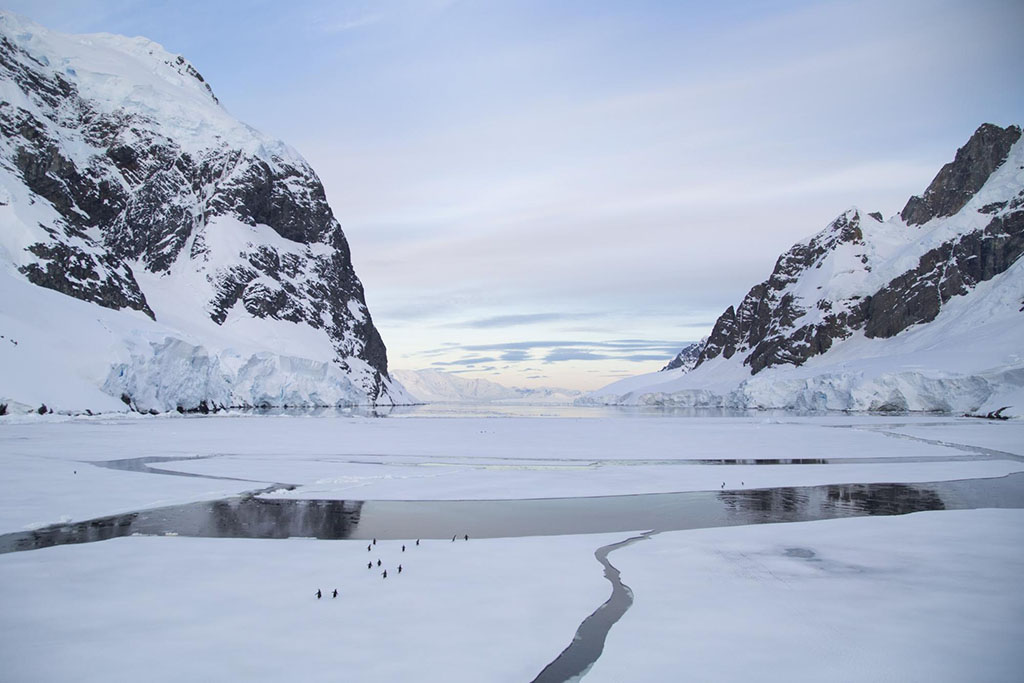
Antarctica begins in the imagination with icebergs, penguins and a horizon unlike anywhere else. Turning that idea into a journey means choosing how to get there, when to travel and what kind of expedition suits you. These eight tips bring the practical decisions together, leaving you more time to look forward to the experience.
1. Choose the Best Season
Antarctic Peninsula cruise travel is concentrated in the austral spring and summer, generally from late October or November into March. Daylight varies by date and latitude; not every peninsula cruise has continuous daylight, and the region does not have only two conventional seasons.
Early-season trips can offer snowy landscapes and distinctive ice conditions. Weather and sea ice govern access, so choose a departure for its overall itinerary rather than a guarantee of pristine or undisturbed scenery.
January brings long days around the Antarctic Peninsula. Penguin breeding activity and changing sea ice can make it a rewarding time to visit, with the exact wildlife encounters and accessible sites depending on the voyage and conditions.
Later summer can be rewarding for whale watching and other wildlife, with conditions and sightings varying between voyages. The best month depends on what you want to see, not a promise of warm weather.
March brings shorter days and changing light. Some voyages continue late into the season, with wildlife and landing opportunities determined by the route and conditions.
2. What Type of Antarctic Trip Suits You?
So you’ve decided to make your dream to visit Antarctica a reality! But the question now remains: how will you go about it? Travellers have some different options when it comes to travelling to this majestic icy land, depending on the type of adventure they seek.
Antarctic Express Cruises:
An Antarctica Express itinerary combines sailing and flying, usually with one Drake Passage crossing by sea. Check the route and duration for your departure. Cape Horn visits, Zodiac excursions and Antarctic landings depend on conditions and the expedition team’s decisions; flights are weather dependent too.
Polar Circle Cruises:
Polar Circle voyages aim to reach the Antarctic Circle, with flight and sailing arrangements determined by the specific program. Crossing the circle and landing at particular sites depend on weather and sea ice.
Antarctic Land Excursions & Trips:
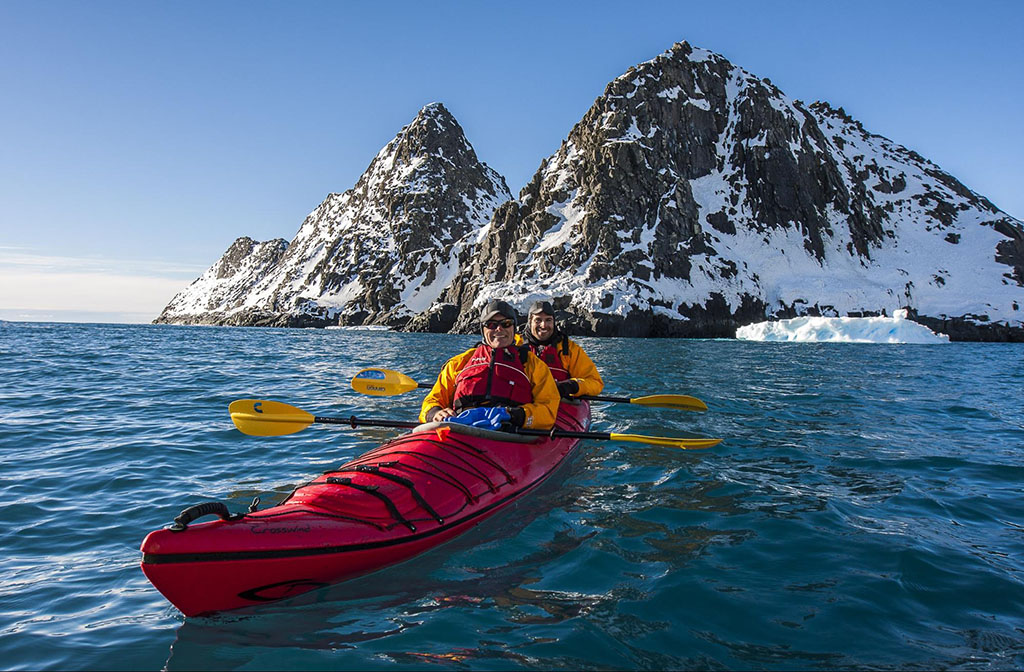
Optional kayaking, snowshoeing and other activities depend on the voyage, spaces, conditions and participant requirements. Ask about the current age, experience and fitness rules when booking; do not assume that every activity is available on every departure.
Click to learn more about Antarctic Snowshoeing Tours and Antarctic Sea Kayaking
3. Book Your Dates in Advance
Book early when your dates, ship or cabin preference are important. Availability and prices change, and a particular booking interval cannot guarantee a place or a discount. Last-minute offers, when available, require flexibility.

4. Prepare for The Weather
Coastal expedition conditions differ from those deep in the Antarctic interior. Prepare for cold, wind and wet landings with appropriate layers, waterproof outerwear and the equipment requested by your operator. Use the current voyage packing list rather than continent-wide temperature averages.

5. What You Need to Pack
Check the baggage rules for every flight on your itinerary. Antarctica21’s current Antarctic-flight allowance is 25 kg in total including hand luggage, with no single item above 20 kg; your booking documents govern the allowance for your departure. Commercial airline allowances depend on the ticket and should be checked separately.
For a full detailed list of everything you’ll want to pack for your Antarctic trip see our Packing Checklist For Antarctic Cruises.
6. Understand Your Budgeting
Compare the total quoted cost, including travel to the departure point, cabin category, optional activities, insurance and services not included. A sightseeing cruise without landings is a different product from a small expedition voyage. Use current quotes rather than an old starting-price range.
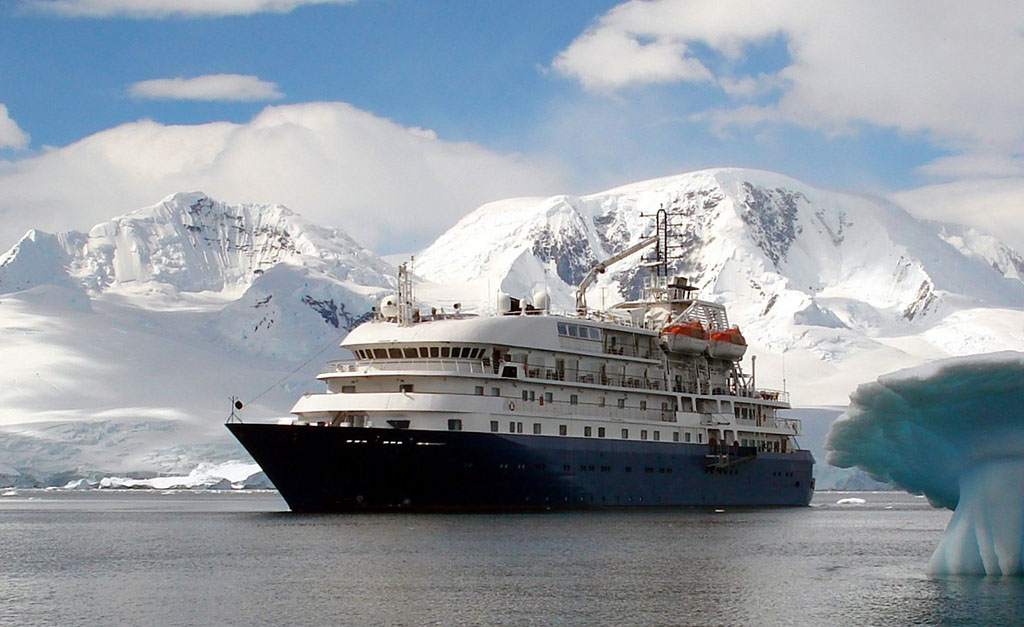
7. Choose the Right Cruise Ship
Antarctica21’s current fleet information focuses on Magellan Explorer and Magellan Discoverer, announced for the 2026–27 season. Confirm the vessel and cabin offered for your exact departure.
Learn more about each of these vessels at Choosing Your Antarctic Cruise Ship.
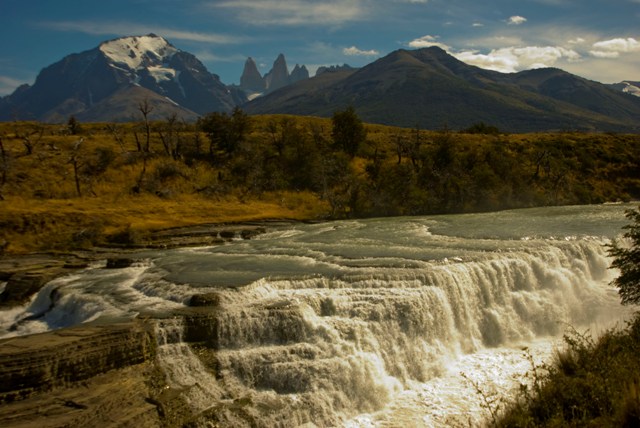
8. Plan Land Activities in Advance
Follow the operator’s arrival deadline and contingency plan before adding Patagonia excursions. Allow flexibility around Antarctic travel and avoid tight onward commitments; weather delays may exceed a simple one- or two-day buffer.
Your next steps, in a useful order
Start with choosing an Antarctic cruise to compare the journeys and decide which route fits your time and interests.
Then read about expedition ships. Compare the actual cabin and departure offered, not simply the vessel name.
Before booking the rest of your travel, check Antarctic travel logistics, including arrival deadlines and onward plans.
Finally, work through the packing checklist alongside your operator’s current documents.
You do not need to solve every detail at once. Getting the route and dates right first gives the other decisions a clear starting point.
Flickr Image Credit:
Sudamérica en 4x4