
Physical Training for Trekking in Patagonia
Prepare for Patagonia’s long hiking days with practical ideas for building endurance, training with a backpack and getting comfortable with your trekking gear.
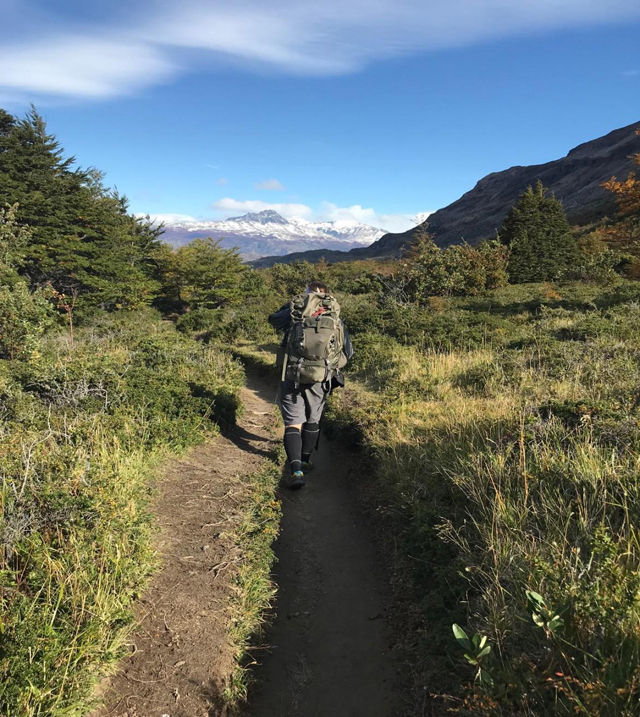
Preparing for Patagonia is part of the adventure. A few months of steady walking can turn a distant view of the Towers or Grey Glacier into a goal you can work towards at home. The W Trek and O Circuit involve consecutive walking days, uneven ground and steep sections, so train for the whole journey as well as its highlights.
On our main packages, the Towers hike is approximately 21 km and takes around 8–10 hours. On the O Circuit, the Los Perros–Grey pass-crossing stage can take 8–12 hours depending on pace. Other days vary. These are low-altitude treks compared with Himalayan routes, but long days, climbs, descents and weather still require preparation.
Start building your walking endurance well before departure. Increase distance, hills and consecutive hiking days gradually, allowing recovery time. Choose a program that fits your current fitness and the most demanding day of the itinerary.
The best way to prepare for your trek, is to do day hikes around your local area. Try to carry the backpack you plan to use on your trek and increase the weight inside little by little as you train over the next few months. Also, try to increase the duration of your treks over your training period.
Train in the footwear, socks and backpack you plan to use. Check fit and comfort on longer walks before travel, and deal with rubbing or blisters early.
If you prefer, or don’t have easy access to hiking trails, you can train for your trek in your gym. Any sort of cardiovascular exercise like running, using a stair-stepper or walking on a treadmill with an incline will help you become better prepared for your trek.
Include gradual strength and balance work alongside walking, especially for climbs, descents and carrying your expected pack. If you need a personal training plan, ask a qualified professional to help you prepare.
Begin each walking day gently and take breaks as needed. Leave time for recovery between training sessions and after long hiking days.
Eat regularly during long walks and carry suitable snacks. Plan your water supply around the route, weather, exertion and refill opportunities; a single daily volume is not appropriate for everyone. Drink regularly according to your needs and follow any personal medical advice.
If you have any medical conditions you fear might be aggravated by a long trek such as this, it’s always a good idea to consult with your doctor before setting off on your Patagonian adventure.
Make your training feel more like the trek
Practise a weekend of walking on consecutive days. Notice how your legs and feet feel the second morning, and build up gradually rather than trying to reproduce the hardest stage immediately.
Include descents as well as climbs. Uneven downhill trails can feel very different from walking on a flat road or treadmill.
Use the footwear and loaded pack you plan to take. A local walk is a good place to discover a rubbing strap or uncomfortable sock.
Use our packing guide alongside the daily distances in your chosen Torres del Paine itinerary. The longest walking day is a more useful training reference than the number of days in the package.