
Packing Checklist for Antarctic Cruises
Packing is always a crucial part of preparing for any adventure, but when you’re readying yourself to embark to the world’s coldest and windiest place, knowing what to bring becomes all the more important. Fear not, we’ve compiled a comprehensive packing list to ensure you’ll be as best equipped and ready as possible for your trip of a lifetime.
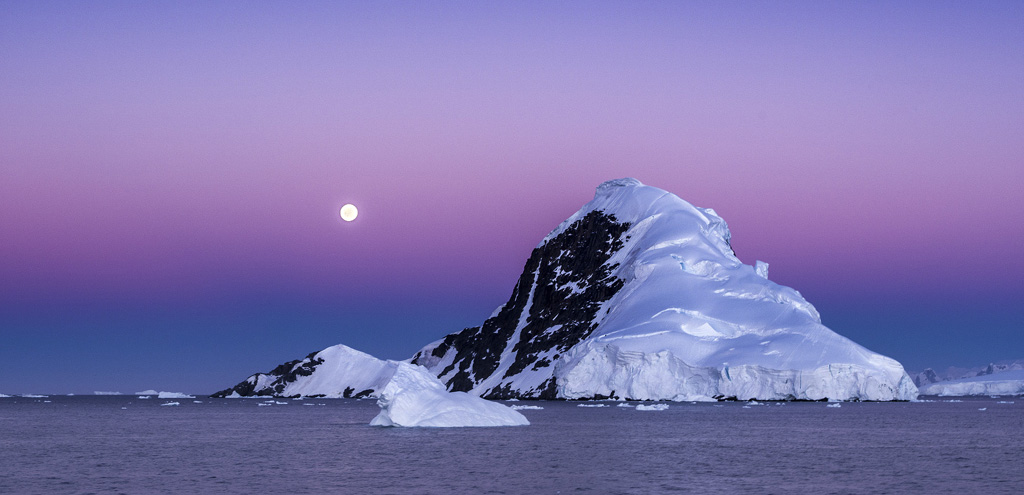
Packing for Antarctica is about staying comfortable enough to enjoy being outside: watching from the deck, photographing an iceberg or stepping ashore with the expedition team. A practical set of layers does more than a suitcase full of bulky clothes. Use this checklist as a starting point, then follow the current equipment and baggage instructions for your particular voyage.
Consult Antarctica21’s current travel tips and equipment checklist alongside your booking documents.
Antarctica21 travel tips and equipment guidance
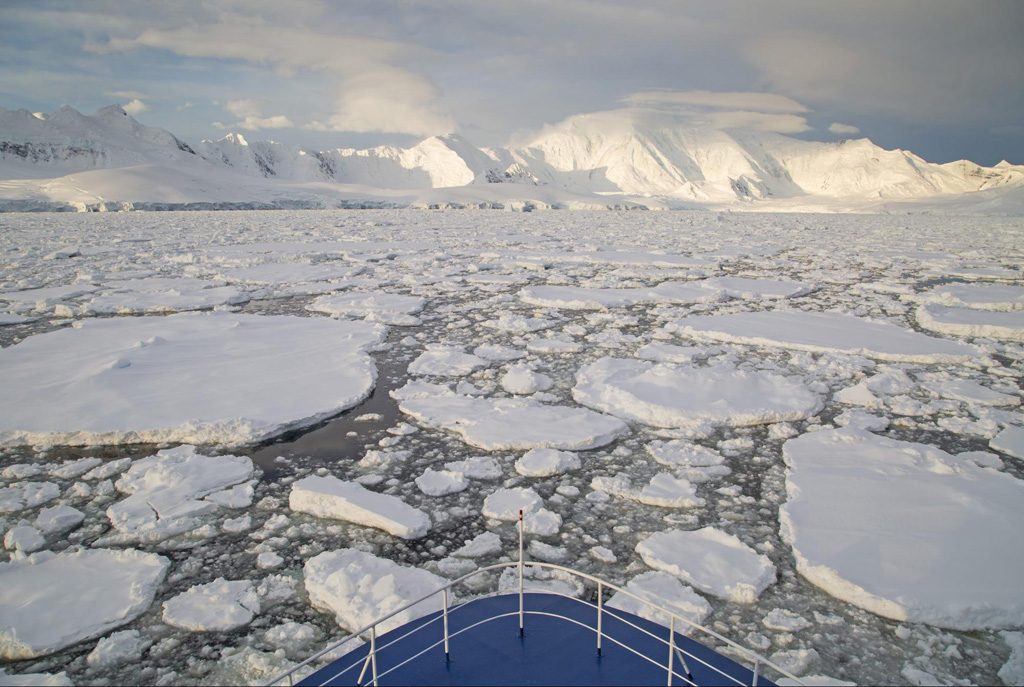
Luggage
Antarctica21 currently specifies 25 kg total baggage per person on its Antarctic flights, including hand luggage, with a maximum of 20 kg for any one item. Extra allowance cannot be assumed. Check the documents for your exact departure and each commercial flight before packing.
Confirm storage and excess-baggage arrangements for your exact itinerary before departure, particularly if you are sailing in one direction and flying in the other.
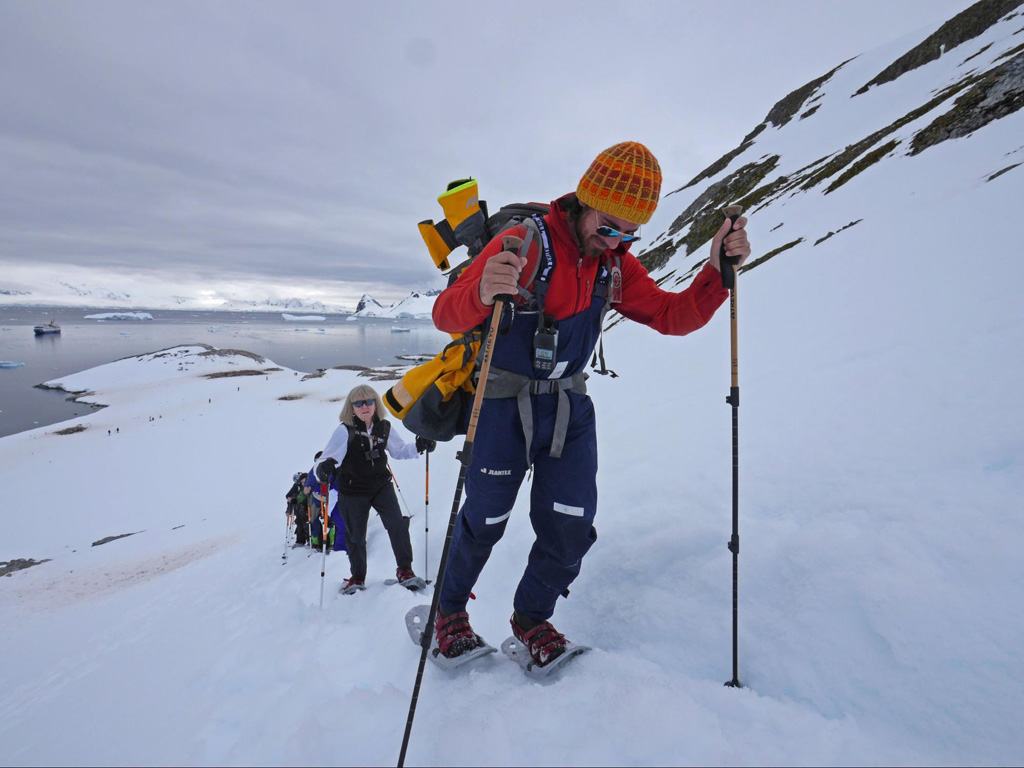
Day Pack
Bring a practical daypack with waterproof protection for your camera, extra layers and other essentials during excursions.
Layering – Base, Middle and Outer Layers
The average temperature in the Antarctic Peninsula during the summer is about 0°C (32°F), though it can at times feel a lower due to the wind chill factor. For this reason, it is best to wear several layers of light, warm clothing. The clothing we suggest for Antarctica is very similar to that recommended for skiing.
Base Layer
The first layer of clothing you should put on should help your body stay warm, wick away moisture, be easy to wash and odor-resistant. Thermals made of merino wool are excellent for those very reasons.
Thermal Long Underwear Pants (2-3)
Thermal Long Underwear Shirts (2-3)
A Couple Pairs of Underwear
Middle Layers
This layer will serve as your insulating layer. We would recommend a fleece or a down jacket, something warm and easy to zip and unzip so you can effortlessly regulate temperature without having to continuously remove and put on your jacket.
Heavy Fleece or Down Jacket
Lightweight Wool Sweater or Long-sleeved Shirts (2-3)
Fleece Pants (for when you’re not out kayaking or trekking through cold wet snow)
Shell or Outer Layer
Your outer layer is what will protect you from elements.Getting wet in cold temperature is very uncomfortable. In an emergency situation, it can quickly become unsafe. You’re going to want something waterproof, warm, and comfortable.
Windproof and Waterproof Winter Parka/Jacket
A Pair of Light Windproof and Waterproof Pants that will Fit Over Multiple Layers
Normal Clothing
When you’re not out exploring the Antarctic landscape, it’s a good idea to have some comfortable casual clothes for lounging about the ship.
Pants/Jeans (1-2)
Shirts (2-4)
Long-sleeved Shirts (2-4)
Light Sweaters (2)
Swimsuit (If you want to brave the polar plunge!)
Other Important Accessories
Hats: bring warm headwear that covers your ears, with a spare in case one gets wet.
Gloves- Waterproof thermal gloves are a must for any Antarctica trip. We would also recommend bringing 1 or 2 glove liners to wear underneath so that if you wanted to take pictures, you could remove your bulkier outer gloves while still having a warm layer to prevent your fingers from freezing.
Scarf/Neck Gaiter- To aid you in keeping warm we also suggest packing a scarf or, as a better alternative, a neck gaiter to cover your neck and lower face. If you are going to go with a scarf, opt for an infinity scarf as the long dangly scarfs tend to fly away or flop into your face.
Use sunglasses or goggles with high UV protection for glare from snow and water. Polarisation and UV protection are different features, so check the product’s protection rating.
Warm Wool Hats that Cover your Ears (1-2)
Waterproof Thermal Gloves
Glove Liners (1-2)
Scarf or Neck Gaiter (1-2)
Polarized Sunglasses or Ski Goggles
Footwear: Shoes and Socks
Antarctica21 supplies landing boots on loan for its programs; confirm sizing and arrangements in advance. Bring comfortable footwear for onboard use, and check the equipment list if you are travelling with another operator.
Socks- It’s very important to bring plenty of socks of different thickness such as thick thermal wool socks for expeditions, liner socks to layer under the thicker ones, and warm regular wool socks for onboard the ship
Landing boots (loaned on Antarctica21 programs; confirm sizing)
Thick Thermal Wool Socks (2-3 pairs)
Liner Socks (2-3 pairs)
Wool Socks (2-3 pairs)
Toiletries and Medication
We recommend carrying the following:
Bring personal prescriptions, basic toiletries, sunscreen and lip protection, hand sanitiser and any medicines recommended for you by your clinician or pharmacist. Discuss motion-sickness prevention before travel rather than assuming one product suits everyone. Keep essential medicines accessible within the operator’s baggage rules.
Paperwork and Money
You should bring enough money to cover any accommodation, meals, excursions and transfer other than those included in the itinerary and the Contingency Plan corresponding to each voyage such as: dinner in Punta Arenas upon return from Antarctica, beverages purchased at the ship’s bar, Extra expenses (communication, laundry, souvenirs, etc.), Gratuities, Visas for Chile and/or Argentina, passport expenses, and any arrival and/or departure tax, if applicable, and packages like Snowshoeing excursions.
Passport
Copies of Travel, Luggage, and Other Insurance
Money
Other Items
Warm weather clothes (If you plan on spending a few days in Buenos Aires or Santiago de Chile before or after your Antarctic cruise.)
Playing cards
Kindle, tablet or book
iPod
Journal
Camera & Accessories (batteries, memory cards, lenses, tripod)
Waterproof Camera Bag
Binoculars
Electrical converter and/or adaptor
Travel alarm clock
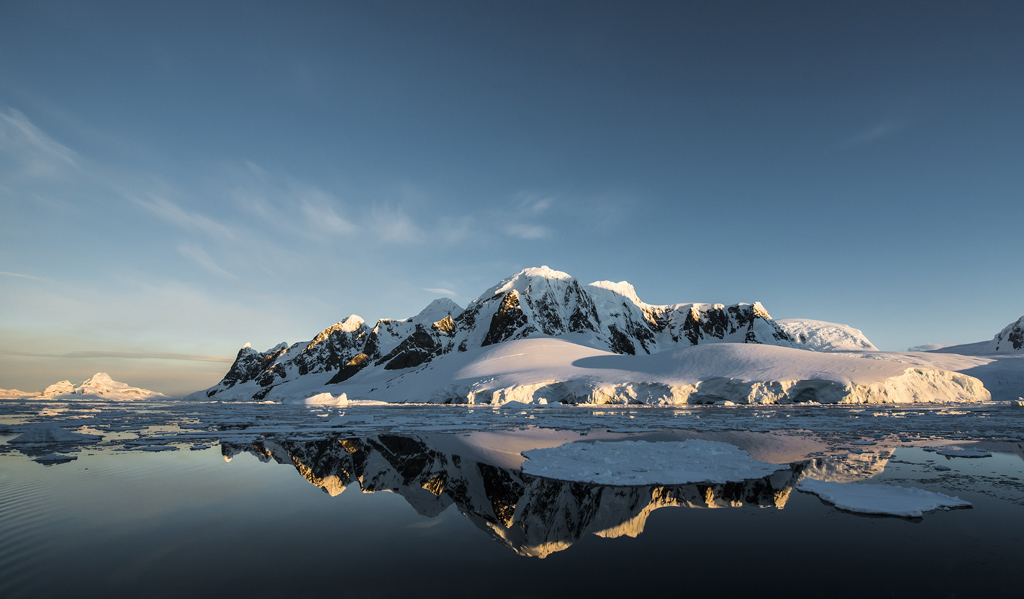
If ordering equipment for delivery before your voyage, confirm the current shop, delivery address, deadline and any shipping or handling charge directly with the supplier. Free delivery to every embarkation point should not be assumed.
Related Reading: Choosing Your Antarctic Cruise Ship
Before you close your bag
Should I buy all the expedition equipment myself?
Check what your operator supplies first. Antarctica21 loans landing boots on its programs, with sizing to arrange in advance. Other equipment and clothing arrangements vary. Confirm your list before buying bulky items that might already be provided, and try on the layers you will wear together.
Which baggage allowance should I pack for?
Check every leg: the commercial flight to South America, any regional flight and the Antarctic flight if included. The limits can differ. Keep essential medicines and travel documents accessible within those rules. Our Antarctic travel guide helps with the wider arrangements, while your booking documents remain the reference for this departure.