
What to Pack? Trekking in Patagonia
Prepare for trekking in Patagonia with a checklist of clothing, footwear, equipment and everyday essentials for changeable weather on the trail.
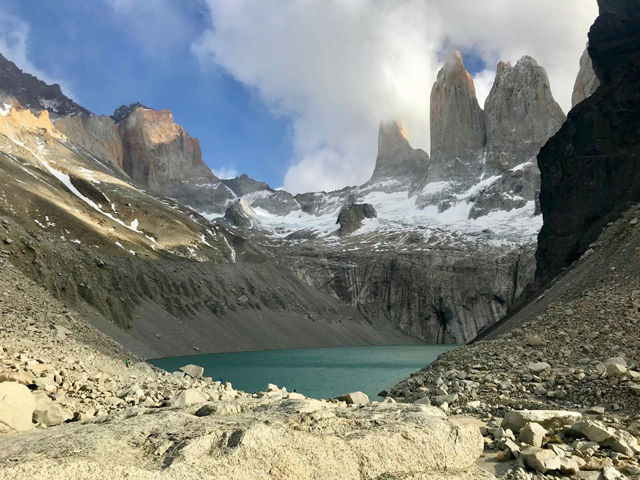
Patagonia can give you sunshine, wind and rain within the same walking day. Packing well means being ready to enjoy that changing landscape without carrying a bag full of things you never use. Start with your itinerary, check the equipment supplied and build a practical set of layers around what you will carry yourself.
Choose your backpack after checking what your package supplies and what you must carry. Capacity depends on your equipment, overnight arrangements and personal needs. Test the loaded pack on training walks and keep unnecessary weight to a minimum.
Another consideration when packing is the weather. While we discourage over-packing, please make sure that you are prepared for sudden changes in temperature and weather. It can get very windy and the weather is known for going from sunny to rainy in what feels like a blink of the eye. A good waterproof windbreaker is a must.
Bring clothing that layers well and dries readily. Do not rely on laundry services during the trek; confirm facilities for your booked stops and pack enough clean base layers and socks for the itinerary.
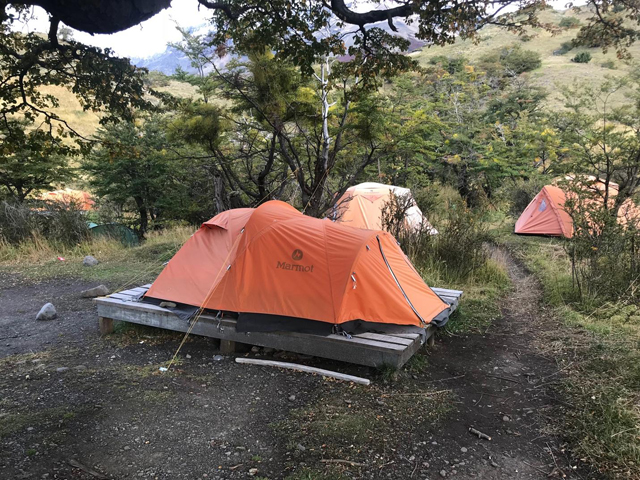
Confirm luggage storage with your Puerto Natales accommodation before departure. A small quick-drying towel is useful; check what your booked campsites or refugios provide and confirm any rental charges in advance.
Inner-layer of clothing:
Underwear
Moisture wicking long sleeve tee-shirts (2)
Moisture wicking tee-shirt (1)
Long underwear pants
Outer-layer of clothing:
Sweatshirt
Heavy fleece or down jacket
Fleece pants
Trekking pants (2)
Shorts (optional)
Gore Tex or waterproof jacket with hood
Rain poncho that covers your backpack
Waterproof pants
Wide brimmed hat for sun protection
Wool hat (should cover ears) or balaclava
Insulated wool or down mittens
Gaiters (optional)
Footwear – shoes and socks:
Hiking boots with ankle support (Please break in your hiking boots in advance to avoid blisters)
Camp shoes or tennis shoes (for evening time in the lodges and/ or campsites)
Plastic bag to carry spare shoes
Hiking socks (5-6) (We recommend bringing extra socks)
Sock liners (optional)
First aid and toiletries:
Pack your prescribed medicines, blister care, basic first-aid supplies, toiletries, sunscreen and lip balm, a small towel and any personal hygiene products you need. Discuss travel medicines with your clinician or pharmacist before departure; antibiotics should not be treated as a routine item for everyone.
Miscellaneous:
Useful extras include a headlamp and spare batteries, water bottles or a hydration system, sunglasses, dry bags, a pack rain cover, a power bank, suitable adapters and snacks. Trekking poles can help on uneven ground; arrange any rental in advance and confirm the current charge. Carry the route information and emergency contacts supplied for your trek.
Paperwork and money:
Carry your passport, booking documents, required park admission and reservation details, emergency contacts and a way to pay for extras. Bring an appropriate mix of cash and cards after checking current payment arrangements. Wi-Fi availability, prices and payment methods vary; do not depend on continuous connectivity.
Our classic W and O camping packages include the camping equipment specified in the itinerary. Check the exact tent, sleeping-bag and mat arrangements for your booking before deciding what to bring.
Two useful packing questions
What will the package provide?
Check the equipment list for your exact trip before buying or renting anything. Our standard Classic W and O packages include camping equipment, with refugio upgrades costing extra, but that does not make every Patagonia itinerary identical. Confirm what you carry during the day and what is available at each booked stop.
What should be easy to reach on the trail?
Keep a waterproof layer, warm layer, water and a snack accessible, so a change in the weather does not mean unpacking everything. Protect essentials inside your pack from rain. Test this arrangement on a practice walk; our training advice explains how to prepare with the equipment you will actually use.