
Top Reasons to Visit Patagonia
From the W Trek and O Circuit to glaciers, wildlife and local culture, discover the experiences that make Patagonia worth the journey.
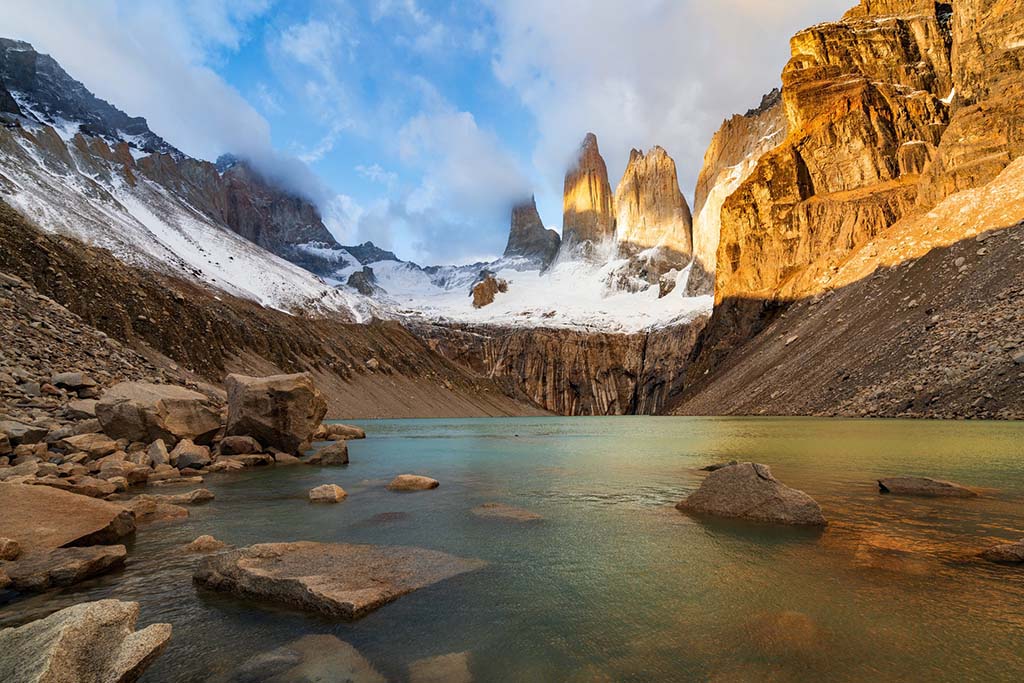
Patagonia is a region of dramatic natural beauty, from glaciated mountainscapes to vast Andean steppes. To visit Patagonia is to fall in love with this distant and mysterious land.
It is famously rugged, breathtakingly beautiful and largely untouched by man. The ‘End of the World’ is one of the most exciting places in the world to explore; it has everything from penguin colonies and whale watching to some of the best treks on the planet. Here are the top reasons to visit Patagonia!
1. Torres del Paine National Park
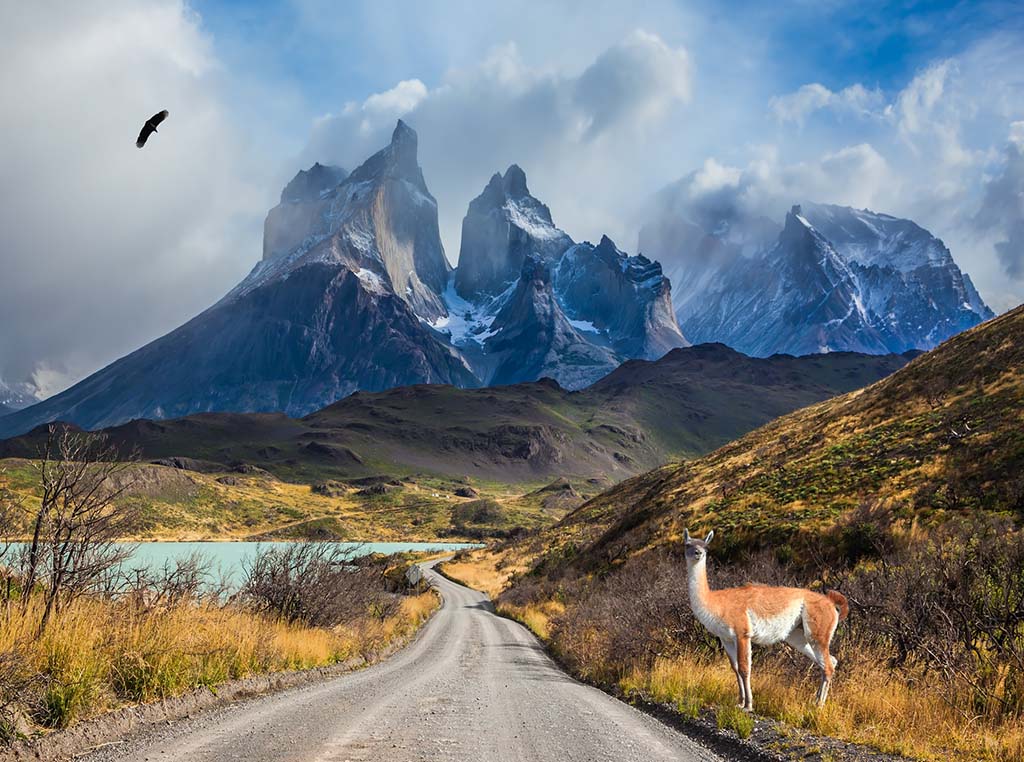
That Torres Del Paine National Park is the most popular park in Patagonia is truly a testament to its beauty considering how the vast region of Patagonia in its entirety is known for its breathtaking landscapes. Torres Del Paine offers a landscape of fiercely blue glaciers, glacial lakes and dramatic peaks to be explored. ‘Los Cuernos Del Paine’, a stunning range of granite peaks, and the park’s jaw dropping towers, ‘Torres Del Paine’ are the most iconic of the park's features. Fully experience all Torres Del Paine has to offer by trekking either the W Trek or the O Circuit. Take a hike like none other across Grey Glacier’s icy surface or kayak through the icebergs of Grey Lake. At the end of your time here you’ll have no doubt that Torres Del Paine National Park surpasses expectations time and time again. For more information, please check out our 5-day Patagonia Experience package.
2. W Trek
The W links many of Torres del Paine’s best-known landscapes into one walk: the Towers above their lake, the shores of Nordenskjöld, the French Valley and Grey. Our seven-day Classic W package includes five trekking days, giving the journey time to unfold from one overnight stop to the next. It is shorter than the full O, but still has long and demanding days. See the Classic W Trek 7 Days for the route and return options.
3. O Circuit
The O continues beyond the W’s southern valleys, carrying you around the Paine massif through Serón, Dickson and Los Perros. The crossing of John Gardner Pass towards Grey is a major stage in that wider journey. Our guided ten-day program includes eight trekking days and requires fitness for sustained walking. Explore the O Circuit 10 Days if the full circuit is the experience you are looking for.
4. Ice Hiking
A guided ice hike offers a close look at glacier terrain using specialist equipment. At Grey, the route is chosen by the supplier according to conditions and access. Never enter ice caves or approach unstable ice independently; the features visible on an outing cannot be guaranteed.
5. Grey Glacier
Grey Glacier can be viewed from trekking routes and selected boat or guided kayak excursions. Each offers a different perspective. Boat routes, ice conditions and weather affect what can be seen, and guides maintain a safe distance from the glacier and floating ice.
6. Lake Pehoé
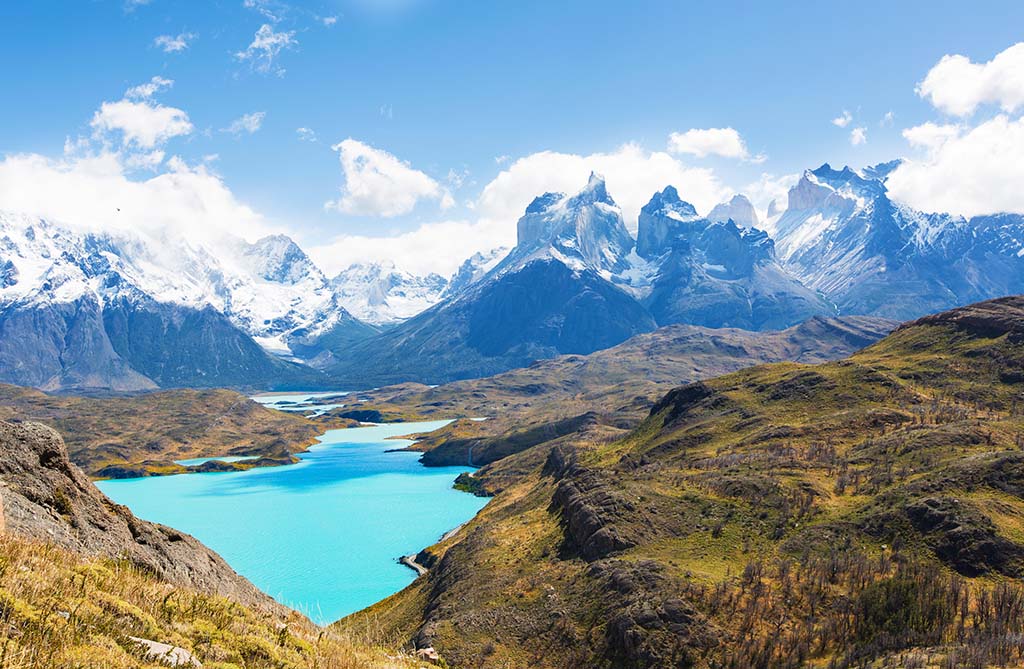
If you’ve seen pictures of Torres Del Paine, you’ve likely already seen pictures of the brilliantly blue Lake Pehoe. It’s certainly the most easily accessible and iconic places to stop and take in views of the famous park. The striking lake paired with the most magnificent backdrop imaginable makes you feel like you’re stepping into a land of fairy tale beauty. In addition to the spectacular views, wildlife such as armadillos, foxes, and even pumas have all been spotted around the lake’s periphery. If you have the time, we highly recommend taking a relaxing boat ride across Pehoe to see Los Cuernos from multiple surreal vantage points.
Check the current catamaran ticket and payment arrangements for your booking before setting off.
7.Winter Trekking
Winter brings a different Patagonian landscape, with shorter days and possible snow or ice. Trekking requires confirmed seasonal access, guides and transport. Ask about the exact route available for your dates rather than assuming the summer W itinerary operates unchanged.
8. Salto Grande
Salto Grande is a striking waterfall between Lakes Nordenskjöld and Pehoé, reached by a marked visitor trail. Follow barriers and ranger instructions, and check conditions before continuing towards the Cuernos viewpoint.
Local tip: Don’t forget to look up! This is a common place to see rainbows and condors.
9. Los Glaciares National Park
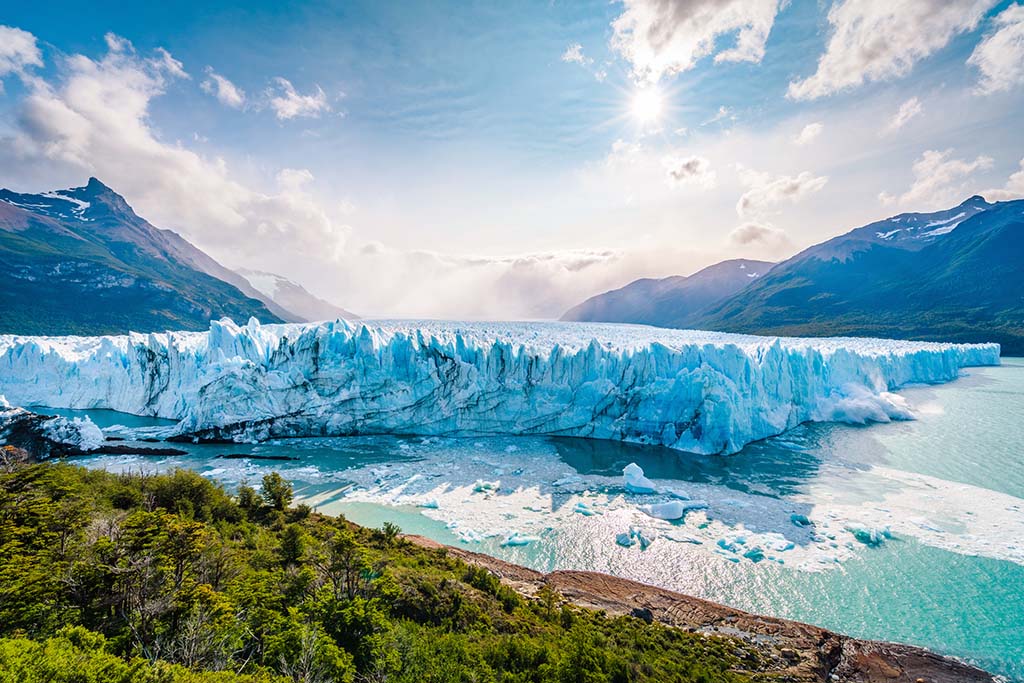
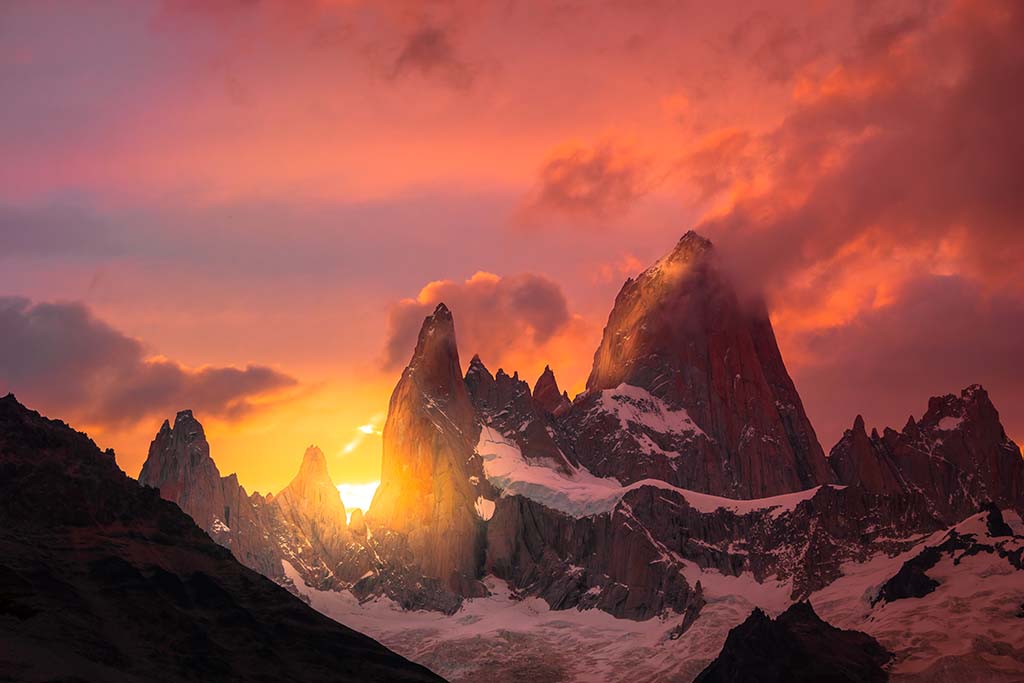
By far, the biggest national park in Argentina is Los Glaciares National Park. This UNESCO site is characterized by imposing snow capped peaks, iconic skylines, electric-blue lakes, and, as its name suggests, glaciers. Just outside of the tiny town of El Chalten, the park’s valleys and natural reserves are connected through a network of trails and offer endless opportunities for exploration. This trekking haven’s most famous landmarks include the jagged peaks of Monte Fitzroy and Cerro Torre, in addition to the monumental glacier Perito Moreno.
Although the trekking in this superb park takes you to viewpoints of sparkling glaciers and crystal lakes, it is not for the faint of heart. Come to this park physically prepared to undertake 12-15 mile hikes to see the most beautifully jagged masterpieces that this park has to offer. In the following we will cover these attractions in more detail.
10. Perito Moreno
Perito Moreno offers a very different encounter with the mountains: a broad wall of ice seen from visitor boardwalks in Los Glaciares National Park. Take time to move between viewpoints and notice the colour and texture of the ice front. Boat trips and guided ice activities are separate ways to explore, with their own participation rules.
11. Monte Fitzroy
The walk to Laguna de los Tres offers views beneath Fitz Roy rather than a climb of the mountain itself. From El Chaltén, allow a demanding full day for the approximately 25 km return route, including a steep final ascent. Routes beginning near El Pilar differ.
12. Cerro Torre
Found outside of El Chalten, is one of the most popular and stunning treks in Patagonia, the 12 mile Laguna Torre trek. It’s primarily known for its views of Cerro Torre, a soaring spire that holds claim to being the most beautiful mountain on Earth”. The whole duration of the trek treats you to fresh mountain air and great views of the Los Glaciares National Park. The extraordinary granite towers are visible from Mirador Torre onwards. Once you reach Laguna Torre, sit and enjoy the fruits of your labor while admiring the floating icebergs and magnificent surroundings.
13. Fly Fishing
Patagonia offers river and lake fishing, but seasons, permits, methods and availability vary by water and operator. Catching fish is never guaranteed. Contact us to check whether a suitable program is currently available before planning around it.
14. Tierra del Fuego
Tierra del Fuego National Park near Ushuaia offers coastal and forest routes such as the Senda Costera, as well as scenery around Acigami/Lake Roca. Laguna Esmeralda is a separate excursion east of town, outside the national park.
For further information about packages please our view 5-day Ushuaia explorer tour package.
15. Dientes de Navarino trek (Puerto Williams)
On La Isla de Navarino can be found the most southerly trekking route in the world, ‘Dientes de Navarino’. It is hailed as an alternative to Torres Del Paine for those who prefer a more rugged, less marked and overall more adventurous trek off the beaten path. The trek of Los Dientes de Navarino translates to “The teeth of Navarino''. Without much imagination it is easy to see the area’s jagged peaks as ‘teeth’ scraping the sky. If you prefer exploring the most remote corners of the world, away from crowds, civilization or anything else for that matter, then the Dientes de Navarino trek may be for you.
16. Estancias
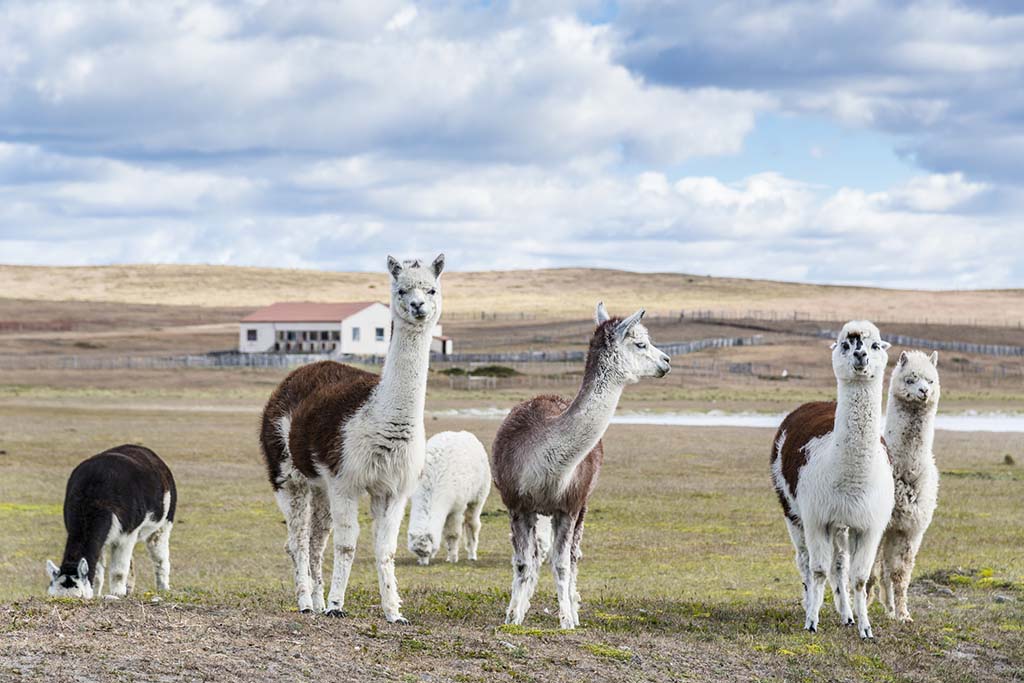
A great way to see the rustic character and deep moods of Patagonia is by staying in an estancia, or a local ranch, in the countryside. A visit to one will take you deep into the heart of Patagonia’s culture to drink wine, ride horses, and taste some of the most delicious barbeque on the planet. The locals proudly show off the wild landscape from horsetop, gladly taking you down old cattle routes to hidden glaciers and gaucho outposts. The Estancia’s basic amenities give you an insight into the country’s past and present an ‘off the beaten’ path alternative to the country’s busier tourist hot spots. Just imagine winding down before a fire at an idyllic ranch with hearty food and good company after several weeks of hard trekking. Sounds amazing, right?
17. Pumas
Pumas are universally known for being a very secretive, shadow cat and a master of camouflage. Without an expert guide, you’d never know that this large cat was even in your vicinity. However, if you’re keen to see one, Patagonia is one of the best places in the world to do just that. Although Pumas can be found all over Patagonia, Torres Del Paine has a particularly high density of these beautiful felines. Due to their protected status and the bounteous numbers of guanacos in the park, their high population density here is one of the highest on the planet. If you are lucky enough to see one of these agile cats it will surely be one of the highlights of your trip to Patagonia. Though the pumas of Torres Del Paine will allow respectful humans to observe them, it is essential to remember that they are wild animals and apex predators.
18. Guanacos
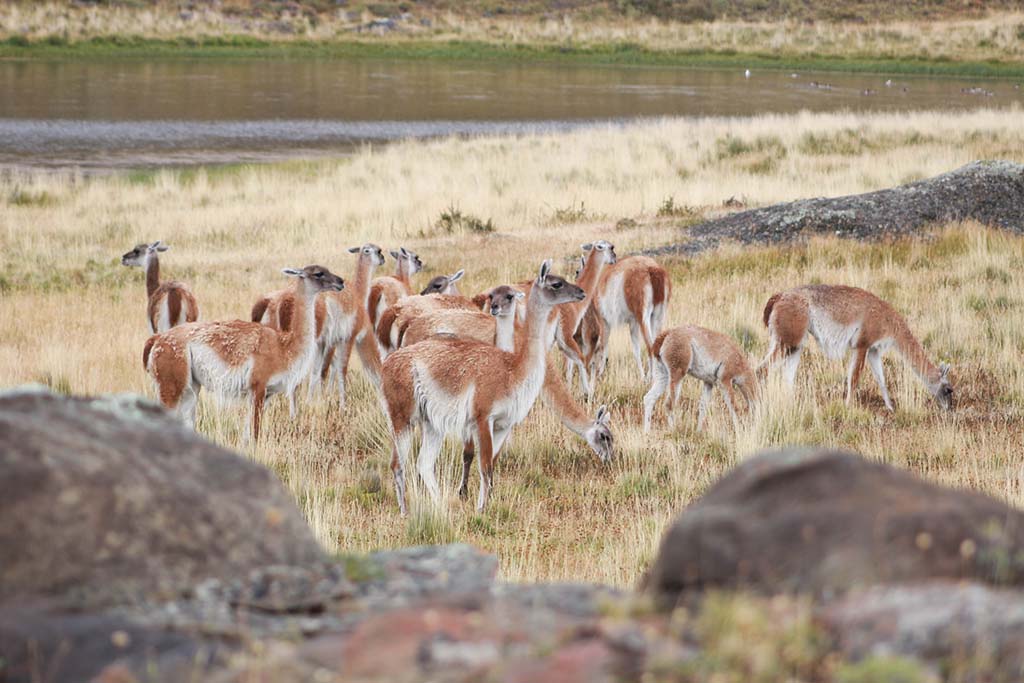
Guanacos are wild camelids of South America and a familiar sight in suitable Patagonian steppe. They play an important ecological role, including as prey for pumas. Observe herds and young animals from a respectful distance.
19. The Penguin Colony on Magdalena Island
Isla Magdalena in the Strait of Magellan is a seasonal Magellanic penguin destination reached from Punta Arenas. Visit on an authorised excursion, stay on the marked route and give wildlife space.
Local tip: On the way back to Puntas Arenas keep an eye out for dolphins, whales and sea lions that live in the strait.
20. Andean Condor
The Andean condor is one of the world’s largest flying birds. Its broad wings help it soar on rising air over mountains and open landscapes. Bring binoculars to watch without disturbing wildlife.
Local Tip: You won’t regret bringing a spare pair of binoculars to get a closer view of these colossal birds gracefully navigating the skies. You’ll likely encounter them throughout your explorations in Patagonia.
21. Patagonian Barbecue
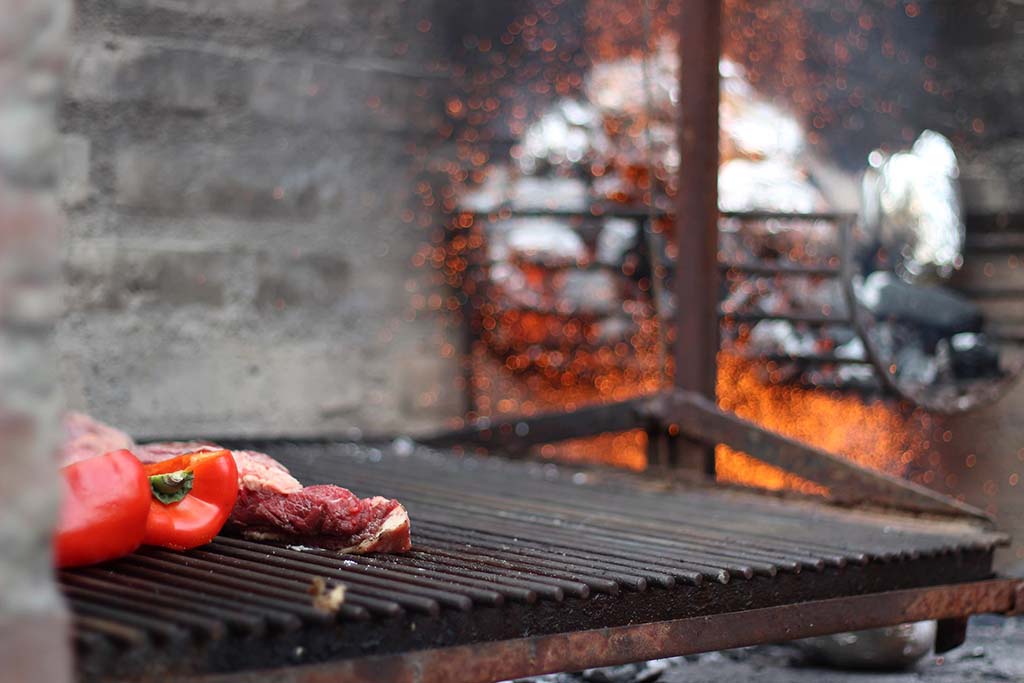
One thing you can’t leave Patagonia without trying is the barbeque, it's perhaps the most renowned form of lamb on the spit that you’ll ever come across. This fresh lamb, taken straight from the fields, is rumored to be the best on the continent. Its preparation is an arduous process involving splaying the lamb, affixing it to an iron cross, bathing it in local white wine and hot sauce, and then hanging it out across a wood fire to roast slowly for 5-6 hours. The result is a tender, juicy meat with a nuanced gamey taste. When accompanied by a warm cabin atmosphere, the recountings of adventures, and paired with an Argentinian malbec, the magic of Patagonia comes to life.
22. Skiing
Patagonia also offers winter sports around places such as Bariloche and Ushuaia. Opening and closing dates depend on snow and resort operations. Check the current season before planning a ski trip.
Patagonia is a sprawling paradise for wildlife lovers, hikers of all levels, and adventure lovers of all kinds. People from all walks of life have fallen in love with Chile and Argentina’s stunning natural landscapes and we hope you do too! As always we hope you found our post helpful in organizing your trip. Don’t hesitate to reach out with any questions or inquiries you have. If you enjoyed it please do like, share, and subscribe!
Turn the inspiration into a journey
For a trek at the heart of the trip, explore Torres del Paine and compare the W, O Circuit and shorter programs.
For Fitz Roy, Cerro Torre and Perito Moreno, look at El Chaltén and El Calafate. A combined itinerary can bring mountain walks and glacier visits into the same journey.
For forest, coast and southern waterways, explore Tierra del Fuego. Ushuaia is a place to spend time, as well as a departure point for other adventures.
Choose the experience you most want to remember, then build the trip around it. The best itinerary leaves room to enjoy the places between the headline sights.