
The Big 12 - Patagonia's Wildlife
Meet Patagonia’s wildlife, from guanacos, pumas and Andean condors to penguins and marine mammals, and discover places to look for them.
A guanaco lifting its head above the steppe, a condor circling a ridge, the sudden movement of a fox beside the trail: wildlife can change the way you see Patagonia. Some encounters are brief and unexpected; others come from slowing down and watching a place carefully. These animals offer another reason to look beyond the mountain skyline.
Land Animals Of Patagonia
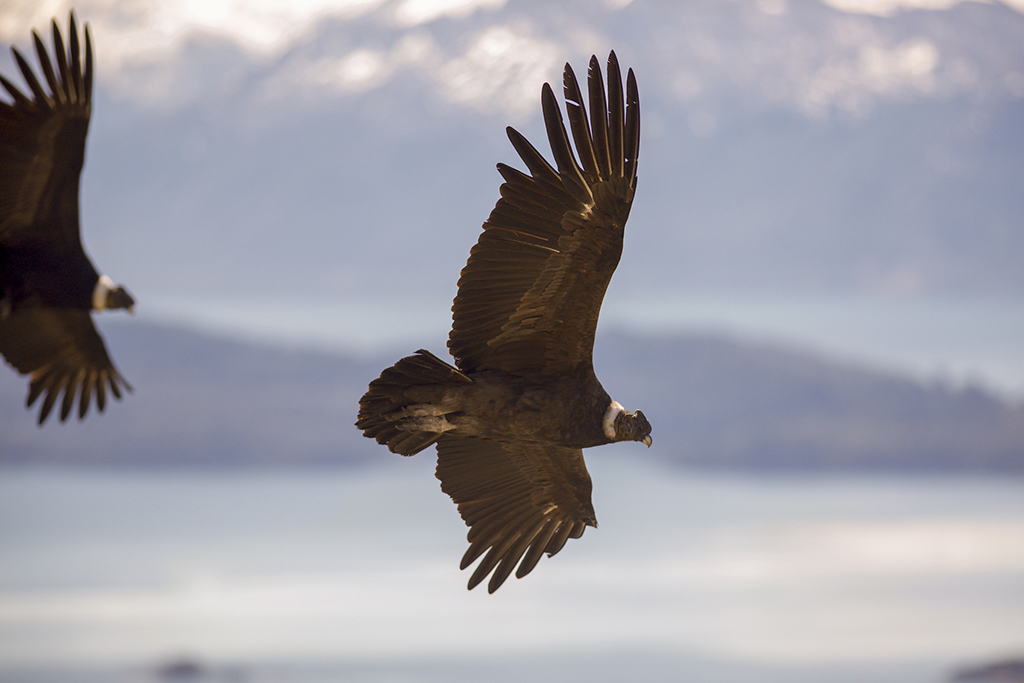
Andean Condor
An Andean condor in flight can seem almost motionless against the sky. Its broad wings carry it on rising air over mountains and open country, making it one of South America’s most impressive birds to watch. Look towards ridges and cliffs, and bring binoculars to enjoy the view without approaching roosting birds.
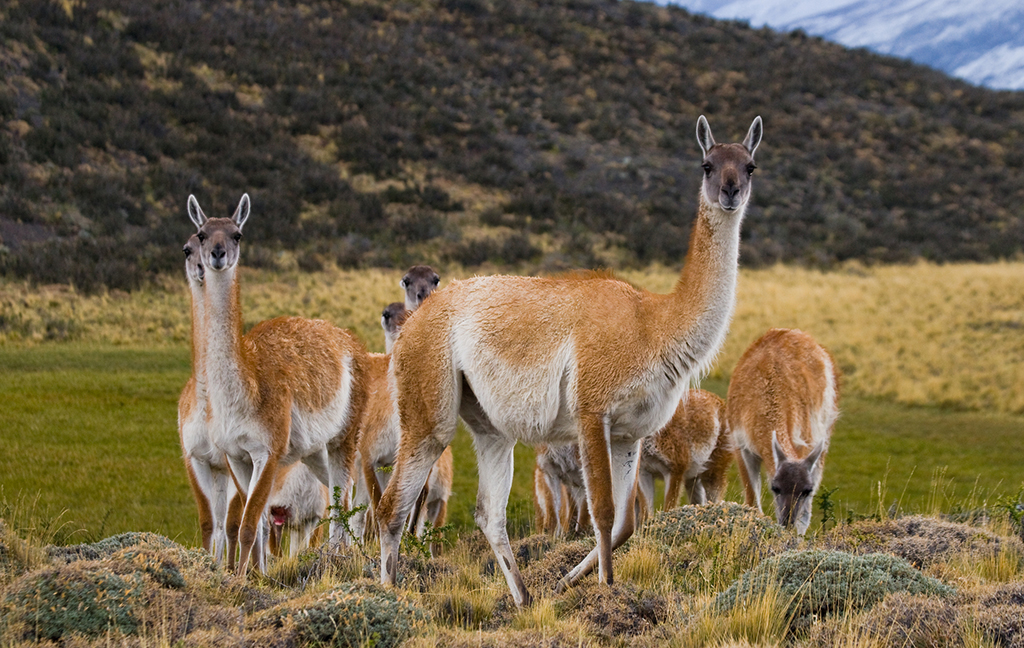
Guanacos
Guanacos are wild South American camelids often seen in Patagonian steppe. They graze in open country and are an important part of the ecosystem, including as prey for pumas. Watch quietly from a distance rather than approaching a herd.
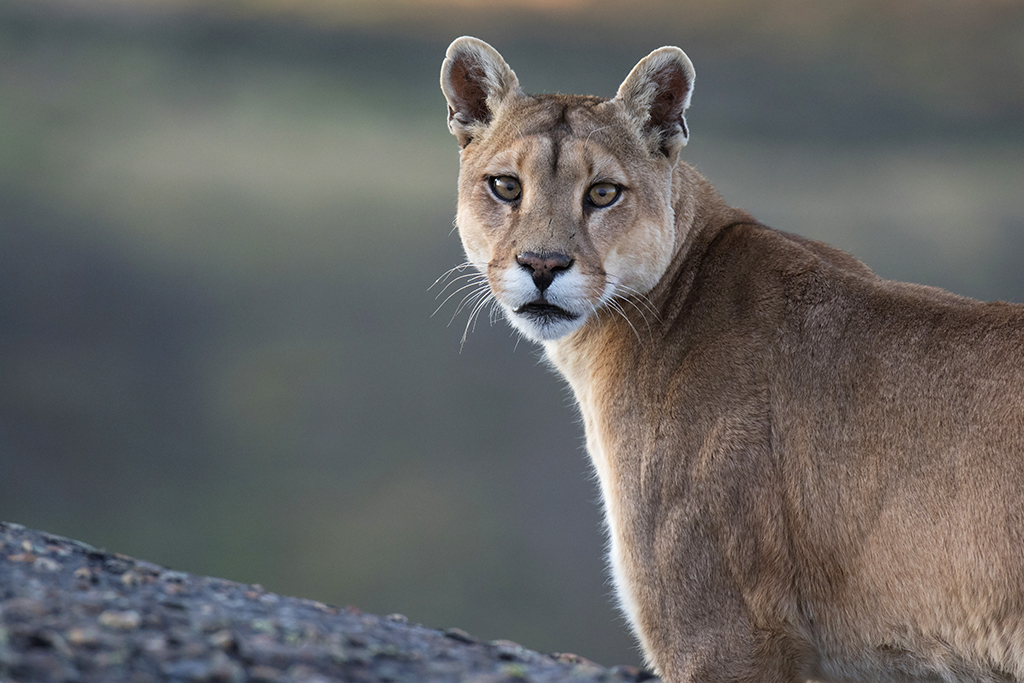
Pumas
Pumas are elusive wild predators. A specialist guide can help you look for signs and observe responsibly, but cannot guarantee a sighting. Keep your distance, never feed or approach a puma, and follow current ranger and guide instructions.
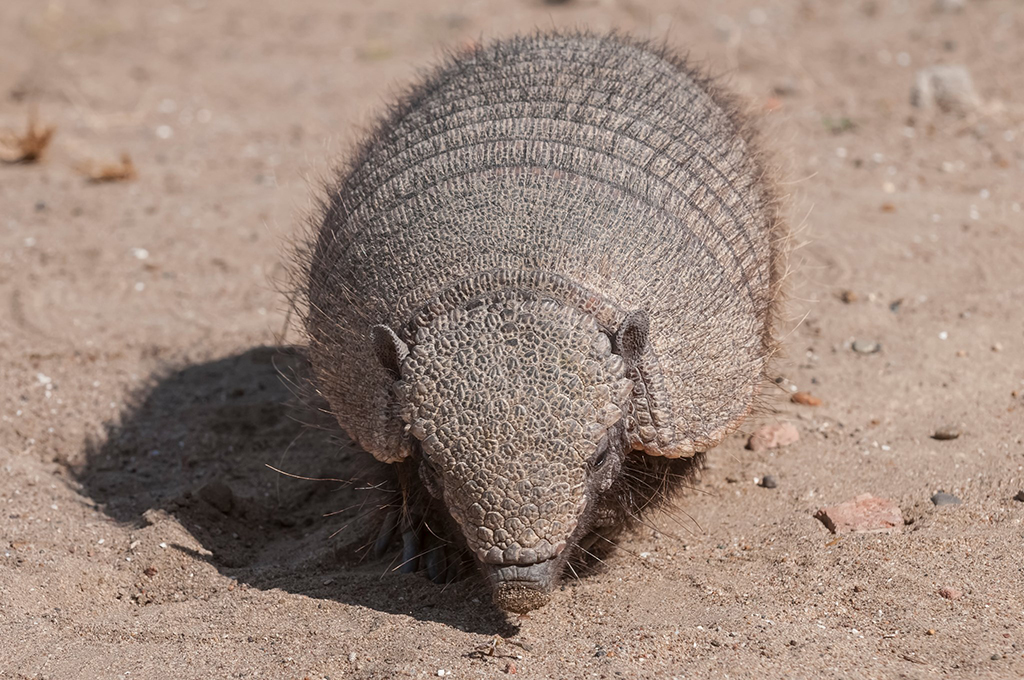
Armadillos
Armadillos are recognisable by their protective shell and strong digging claws. The peludo, or large hairy armadillo, is among the mammals recorded in Patagonia National Park. Look for these animals on the ground rather than expecting a sighting on every trek, and leave their burrows undisturbed. Different armadillo species have different ranges and conservation status.
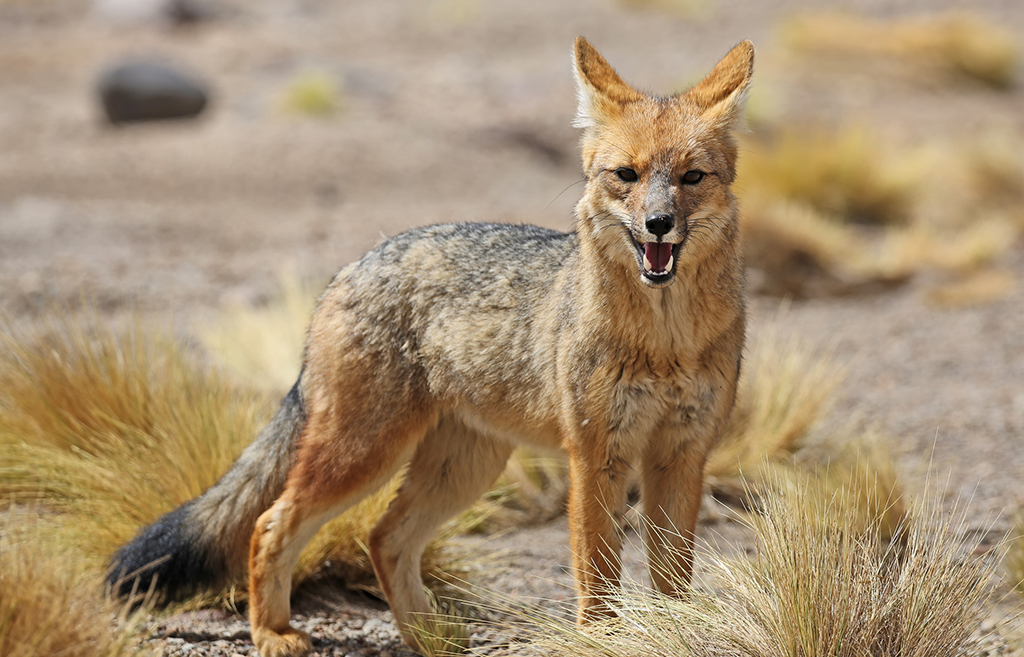
Culpeo & Gray Foxes
Culpeo and South American grey foxes, also called chillas, are part of Patagonia’s wildlife. The culpeo is the larger species and occupies a wide range of habitats. Watch quietly from a distance and never feed foxes or leave food where wildlife can reach it.
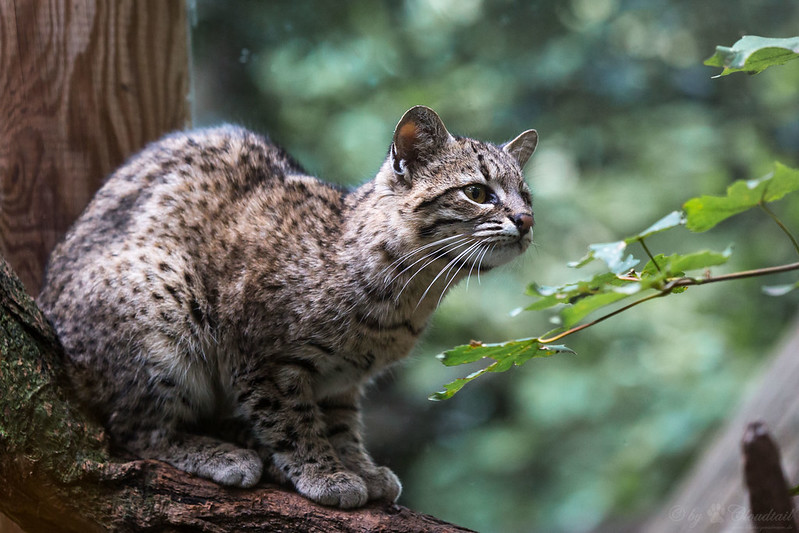
Geoffroy’s cat
Geoffroy’s cat is a small South American wild cat with a spotted coat that helps it blend into its surroundings. It occurs in several habitats and hunts small prey. Its elusive habits make a sighting a special experience.
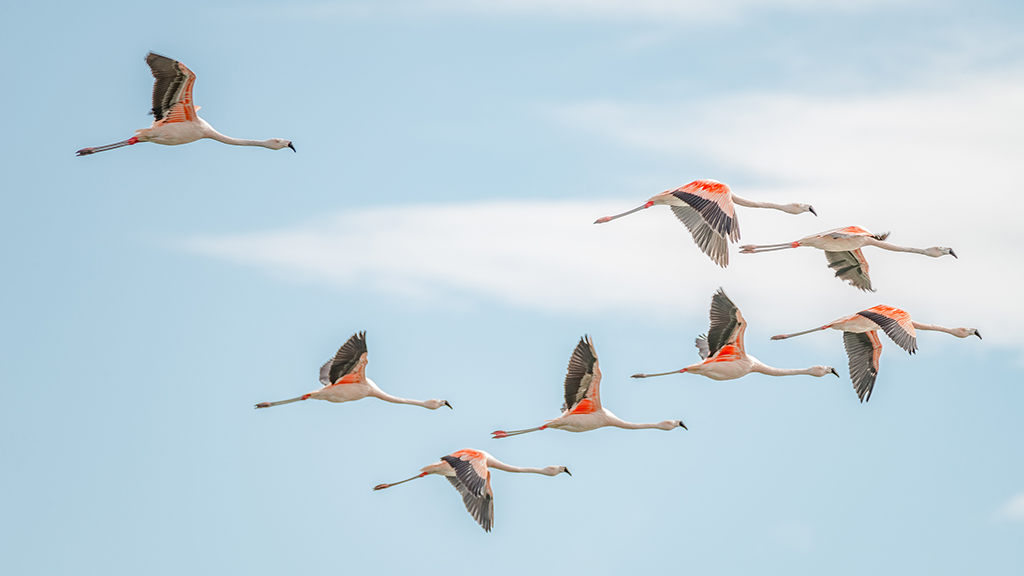
Chilean flamingos
Chilean flamingos may be seen on suitable Patagonian lakes and wetlands, including southern Chile. Their filter-feeding bills and pink plumage make them distinctive, but viewing opportunities depend on the site and season. Keep your distance from feeding and nesting birds; this is not a promise of a breeding colony at every stop.
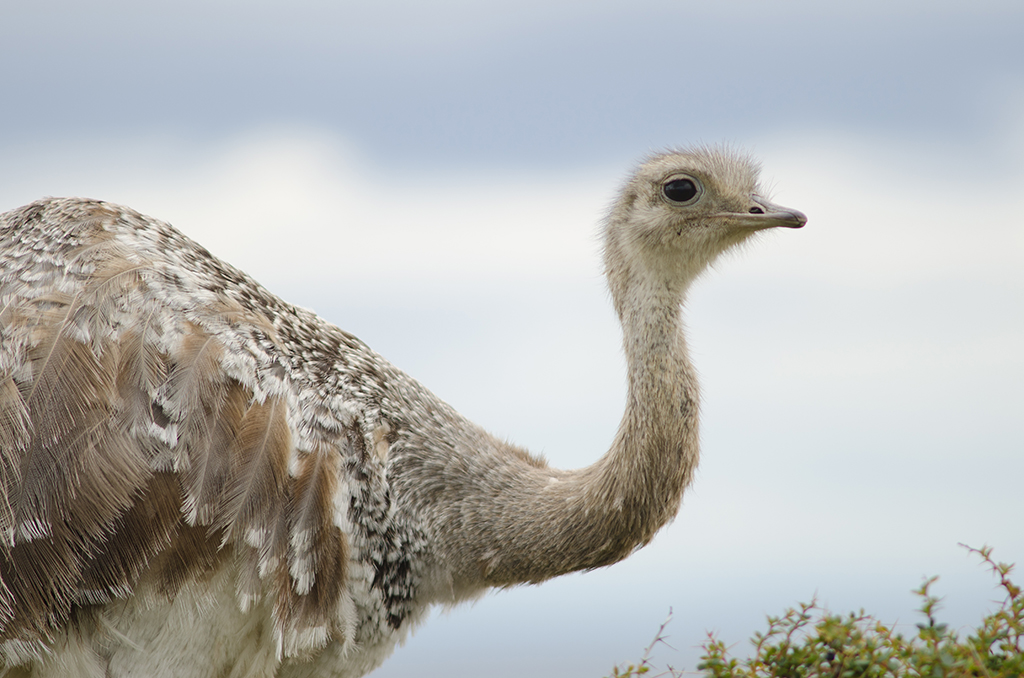
Lesser Rhea
The lesser rhea, also called Darwin’s rhea, is a large flightless bird associated with open landscapes in Patagonia. Watch from a distance and avoid disturbing adults or young. Local conservation projects work to support its populations.
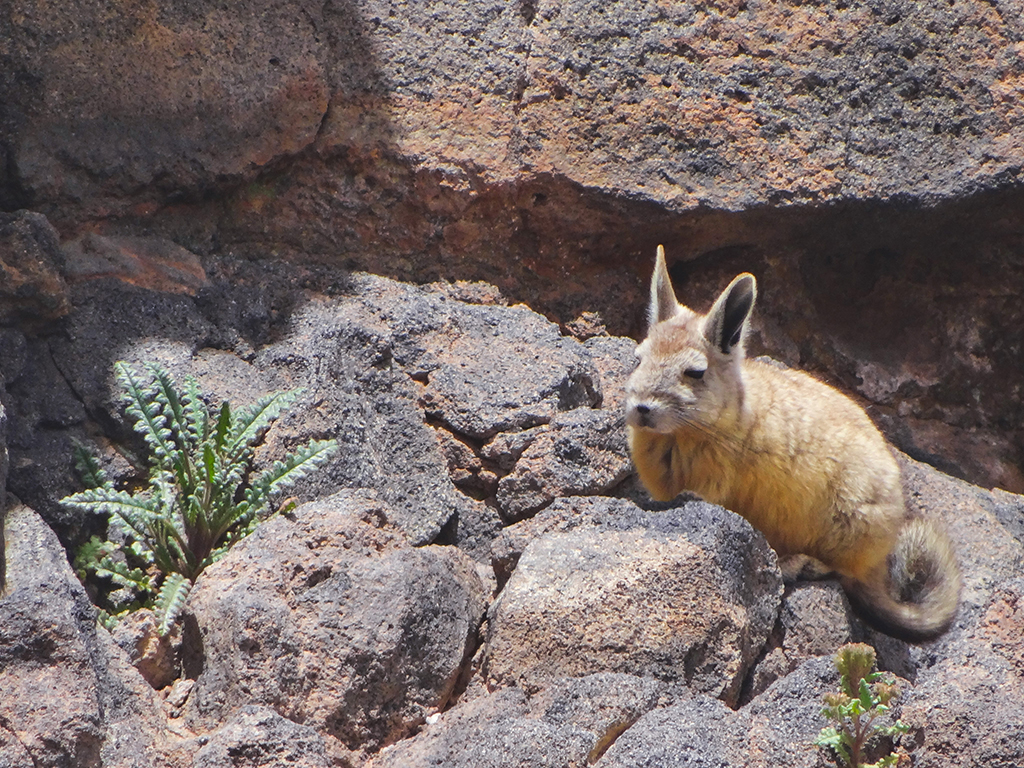
Viscacha
Viscachas are rodents in the chinchilla family, with long ears, strong hind legs and tails that help distinguish them from rabbits. The southern viscacha is recorded in rocky areas of Patagonia, including Aysén and Última Esperanza. Scan the rocks quietly and avoid disturbing the animals; a particular sighting is never guaranteed.
Marine Animals Of Patagonia
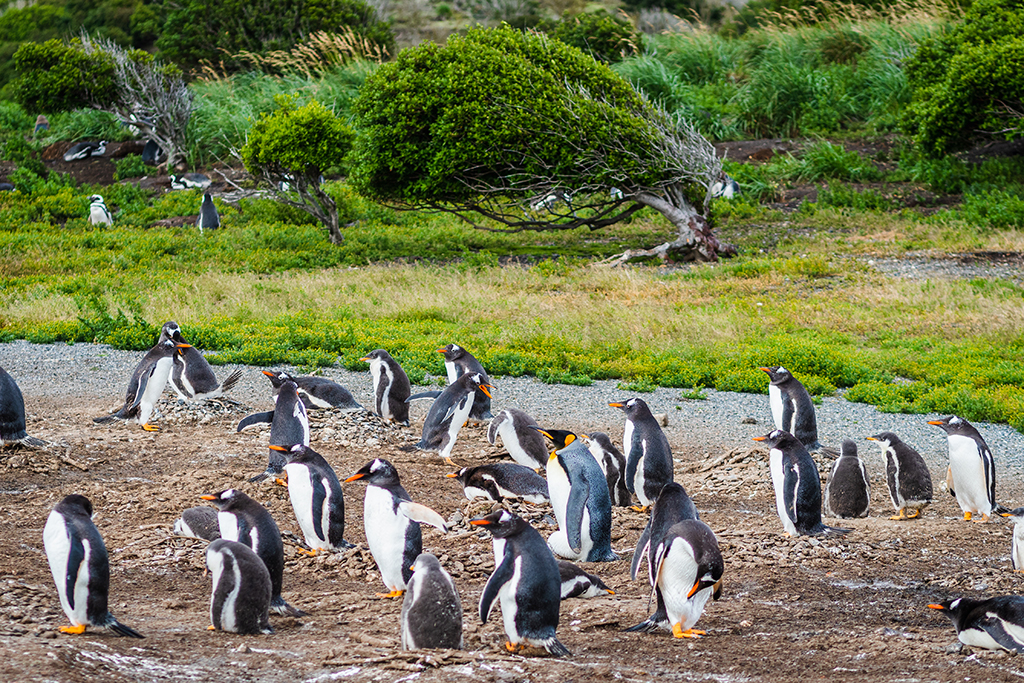
Penguins
Penguin species vary by destination. Magellanic penguins are a familiar sight at seasonal colonies such as Punta Tombo and Isla Magdalena; Isla Martillo also has gentoo penguins. King penguins can be viewed at the managed reserve at Bahía Inútil in Tierra del Fuego. Pick the colony and visiting season that match your route, and follow its access and wildlife rules.
For the best locations in Patagonia to see the penguins check our blog post.
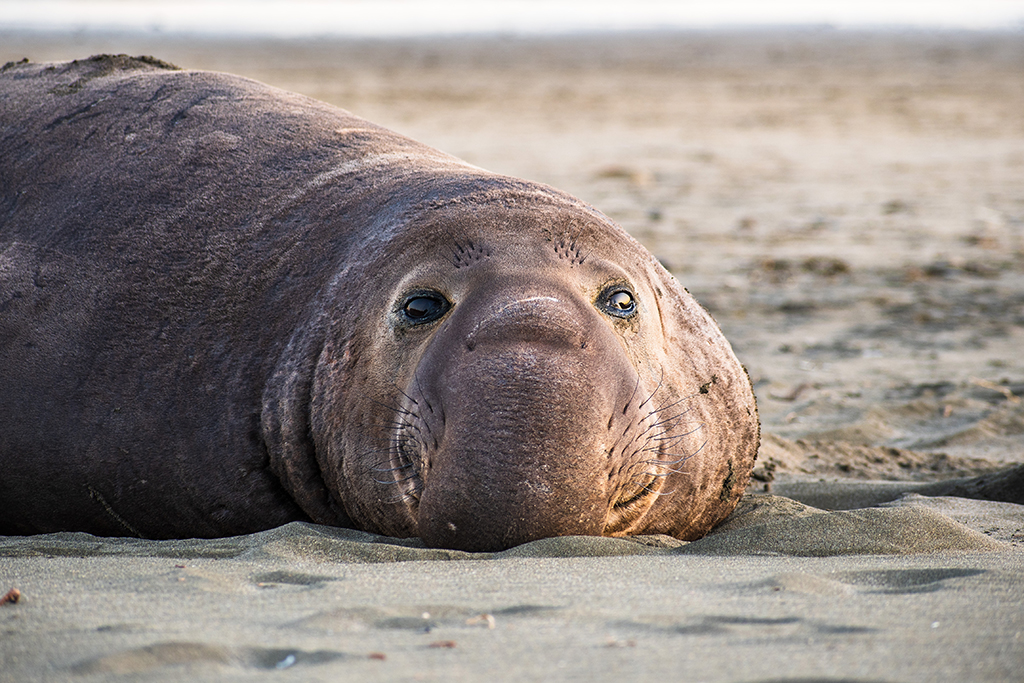
Southern Elephant Seal
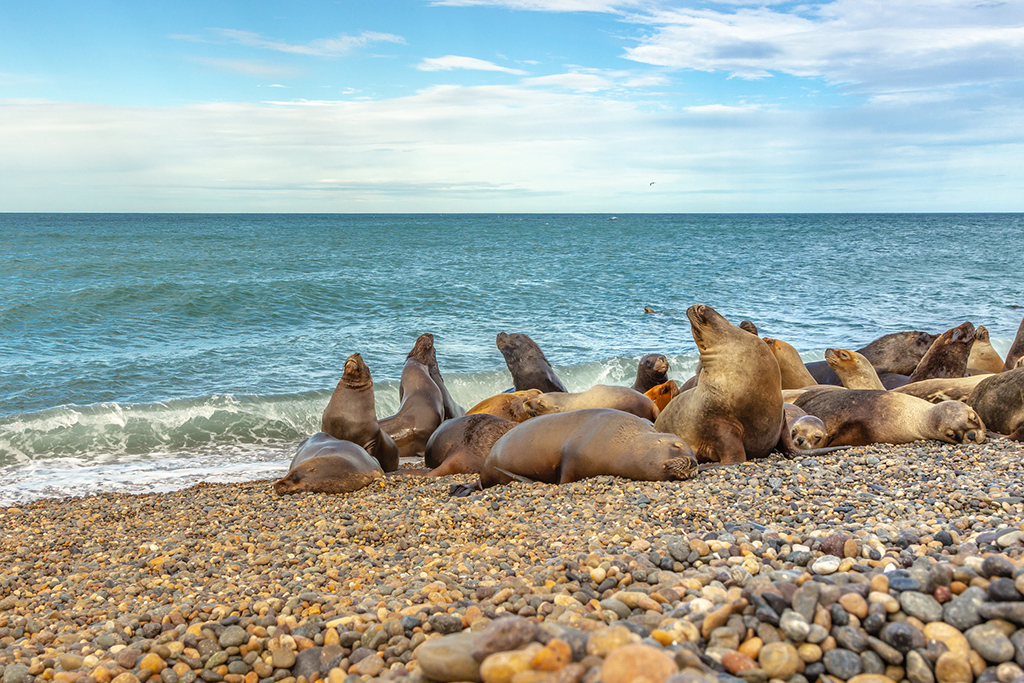
Southern elephant seals are large marine mammals whose breeding sites include Península Valdés in Chubut, Argentina. Observe from designated viewpoints or authorised excursions and give these animals plenty of space.
In addition to the Beagle Channel, check out things to do in Ushuaia.
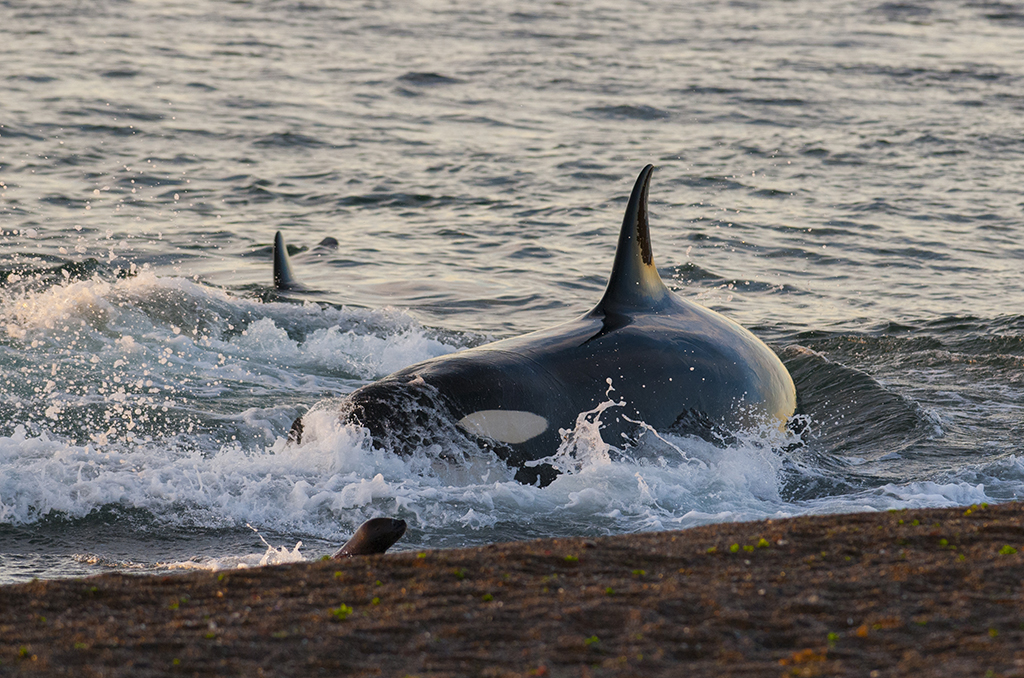
Whales
Patagonian waters support several whale and dolphin species, with sightings varying by coast and season. Península Valdés is known for southern right whales and orcas. Orcas are members of the dolphin family and are also toothed whales. Blue whales are not silent; avoid describing any species as a guaranteed encounter.
As one of the most rewarding and spectacular places to visit in the world, we sincerely hope you get the chance to explore Patagonia and see it’s beautiful residents. From the joy of seeing its tiny waddling inhabitants to the awe of seeing massive condors above, there’s no doubt that one trip to this region won’t be enough! To enjoy it to the fullest make sure to prepare well in advance with booking accommodations, treks, and by contacting our professional team of adventure consultants with any questions you may have. It is a truly spectacular region for traveling and we wish you happy travels! ¡Buen viaje!
A few field notes for your journey
Watch the landscape as well as the animal. Open steppe, rocky slopes and coastal waters offer different habitats, so a quiet pause at a viewpoint can reveal something you missed while walking.
Look for the way a condor uses the air. These birds can travel by gliding between rising currents, which explains those long, unhurried circles above the mountains.
Give an encounter time and space. Binoculars help you see behaviour without following or crowding an animal; never use food to bring wildlife closer.
Explore Torres del Paine for mountain and steppe landscapes, or Tierra del Fuego for a different mix of forest and coast. For colony visits, read our penguin guide.